Office Relocation Services in Chinatown
Moving an office in a busy, tightly packed neighbourhood takes more than a truck and a few boxes. It takes planning, local know-how, careful handling, and a team that understands how to keep your business moving while the relocation is underway. Office Relocation Services in Chinatown are designed for companies that need a smooth, organised transition whether you are moving a small professional suite, a retail back-office, a medical practice, a creative studio, or a larger multi-department workspace.
Chinatown is a unique area with its own rhythm. Streets can be narrow, loading space can be limited, and many properties sit inside mixed-use buildings where timing and access matter just as much as the move itself. That is why local customers often look for a relocation service that can handle the practical details, from building access and lift bookings to parking constraints and after-hours moves. The goal is simple: reduce downtime, protect your equipment, and get your team working again as quickly as possible.
Whether you are relocating within Chinatown, moving to a nearby district, or transferring from surrounding commercial areas, the right service can make a major difference. A well-managed office move supports business continuity, protects valuable items, and helps staff settle in without unnecessary disruption. If you are planning a move soon, request a free quote and start with a clear plan that suits your office size, timeline, and building requirements.
Why local office movers matter in Chinatown

When moving in a neighbourhood like Chinatown, local experience is not a bonus; it is often essential. A team familiar with the area understands the realities of dense streets, active pedestrian zones, service access restrictions, and the challenge of coordinating arrivals during busy trading hours. That can be especially valuable if your office sits above a shopfront, inside a commercial block, or in a building shared by several businesses.
Local office relocation teams also tend to know how to work around the specific requirements of neighbouring areas and nearby business districts. For example, a move might need to be coordinated from Chinatown to the CBD, to a warehouse in an outer commercial area, or to another mixed-use precinct where loading bays must be booked ahead. This kind of practical knowledge helps reduce delays and keeps the process efficient from start to finish.
For many local customers, the biggest concern is not just the move itself but what happens to the business during the move. Calls need to be answered, staff need access to files, and equipment must be reconnected with minimal interruption. Professional office relocation services in Chinatown are structured to support that reality, with scheduling, packing, transport, and setup services tailored to business needs rather than general household moving.
What office relocation services typically include

Every workplace is different, but most office relocations share the same core needs: careful packing, secure transport, and sensible setup at the destination. A reliable local service usually starts with a detailed pre-move discussion so the team can understand the layout of your current premises, what needs to be moved, and any special handling requirements.
Depending on the service level you choose, office relocation may include packing supplies, crate delivery, disassembly and reassembly of desks, handling of IT equipment, transport for furniture and archives, and placement of items in the correct rooms or zones at the new site. For businesses with sensitive records or fragile equipment, additional care is often needed for secure labelling, protective wrapping, and controlled loading.
Some customers need a basic transport-only move, while others need a more complete end-to-end solution. In practice, many offices in Chinatown prefer a service that can manage the entire relocation process, especially when there are time pressures, limited access windows, or a need to move after business hours. This can include coordination with building managers, lift access arrangements, and staged moving so operations can continue as long as possible.
Types of businesses we commonly help

Chinatown has a wide mix of business types, and each one brings different moving requirements. Professional services offices often need careful handling of paperwork, computer setups, meeting room furniture, and secure storage items. Retailers may have back-office equipment, stock areas, and compact workspaces tucked behind front-of-house operations. Health and wellness practices may require discreet, tidy relocation with attention to sensitive devices and patient privacy.
Creative teams and small agencies often need flexible moving support for desks, monitors, printers, whiteboards, sample materials, and storage cabinets. Shared offices and co-working tenants may need short-notice moves that align with lease dates or internal reconfiguration. In each case, the move needs to happen in a way that respects the building, the neighbours, and the business schedule.
Office relocation services in Chinatown are also helpful for businesses moving into heritage-style properties or older buildings where stair access, narrow corridors, or older lift systems may create additional challenges. A local team that has worked in similar premises can plan around these issues and avoid the kind of last-minute surprises that often slow down a move.
Common workplace move scenarios
- Growing from a small office to a larger suite
- Downsizing after a lease change
- Moving between levels in the same building
- Relocating from Chinatown to a nearby commercial district
- Replacing worn furniture and resetting an existing workspace
How the relocation process works
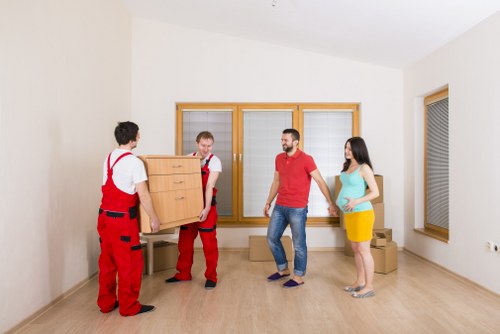
A well-run office move should feel organised from the beginning. Most customers want a process that is clear, predictable, and easy to follow. Typically, the relocation begins with an initial discussion about your current site, your destination, your deadlines, and the items that need special care. From there, the move can be structured into practical stages so nothing is missed.
The next step often involves planning the move day itself. This can include identifying the best time to load and unload, confirming building access rules, and deciding whether the move should happen all at once or in phases. For Chinatown businesses, timing is especially important because parking, loading space, and nearby activity can affect how efficiently the move runs.
On the day of the move, the team will usually label items, protect surfaces and equipment, safely remove furniture and boxes, transport everything to the new site, and place items according to the agreed floor plan or room list. Once the main transport is complete, the focus shifts to setup, making sure the office is usable and the most important work areas are ready first.
Typical move steps
- Assess the current office and destination
- Confirm service level and move timing
- Prepare packing materials and move labels
- Pack, dismantle, and protect items as needed
- Load and transport carefully
- Unload, place, and reassemble items
- Check the site and complete any final adjustments
Local challenges in Chinatown offices

One of the main reasons customers seek office relocation services in Chinatown is the reality of the local environment. This area often includes a mix of older buildings, compact commercial lots, busy pedestrian streets, and limited curb access. For businesses operating here, those conditions can complicate moving day if the relocation is not properly planned.
Parking is often one of the most common pain points. A moving truck may need to be positioned carefully to avoid blocking traffic or interfering with adjacent businesses. In some cases, there may be short loading windows, shared access points, or building rules that limit the time movers can spend at the front door. A local mover that knows how to plan around these restrictions can save valuable time and help the move stay on schedule.
Another issue is access within buildings. Chinatown properties may feature stairs, narrow hallways, older lifts, or tightly arranged common areas. When offices are located above shops, in converted buildings, or on upper floors, it becomes even more important to protect walls, corners, and shared spaces during the move. A careful relocation team will plan for these conditions and use the right equipment to reduce the risk of damage.
Why these challenges matter
Time, access, and protection are the key factors. If any one of them is mishandled, a move can become stressful, slow, or costly in terms of lost business time. A move planned for Chinatown should account for these details from the beginning rather than trying to solve them on the day.
Preparation checklist before your office move
Preparation makes a major difference to the success of an office relocation. Even if you hire a professional team, there are still a few things your business can do in advance to make the process smoother. The right preparation helps reduce confusion, protects important items, and speeds up settling into the new space.
Start by identifying what is moving, what can be archived, and what should be disposed of or recycled before the move. Many offices accumulate outdated files, broken furniture, and unused equipment over time. Sorting these items in advance can reduce transport volume and make unpacking much simpler. It is also smart to notify your staff early so they can label personal items, back up data, and prepare their desks properly.
Another useful step is to make a simple plan for the new office layout. Even a basic floor plan can help movers place desks, storage units, and boxes in the right locations. If your business relies on computers, printers, phones, or network equipment, it helps to identify which items need to be unpacked and connected first so operations can resume quickly.
Checklist for a smoother move
- Confirm the moving date and access times
- Notify building management where required
- Back up important digital files and records
- Label boxes by department or room
- Separate fragile and high-value items
- Measure doorways, lifts, and key access points
- Decide what will be moved, stored, donated, or discarded
- Prepare a priority list for setup at the new site
Pricing factors for office relocation in Chinatown
Customers often want to know what affects the cost of an office move, and that is a fair question. While exact prices depend on the specifics of each job, there are several common factors that influence the overall quote. Understanding these can help you compare services more effectively and plan your budget with fewer surprises.
The size of the office is one of the biggest factors. A small consultancy with a few desks will usually require less time and fewer resources than a larger business with multiple rooms, storage areas, and specialised equipment. The amount of packing support needed also matters. If the team must handle all packing, labelling, disassembly, and reassembly, the move will naturally require more labour than a transport-only service.
Access conditions can also affect pricing. Moves in Chinatown may involve stairs, limited parking, busy streets, or complex loading arrangements. If the moving team needs to work around short access windows or coordinate with building management, that extra planning may be reflected in the quote. Other factors may include distance between the old and new offices, the need for protective materials, and whether the move takes place after hours or on a weekend.
What can influence your quote
- Office size and number of items
- Amount of packing and unpacking required
- Special handling for IT, files, or fragile items
- Building access, lifts, and stairs
- Parking and loading conditions
- Distance to the new location
- Timing, including urgent or off-hours moves
For this reason, the best next step is to request a free quote based on your actual office needs. A good quote should reflect the real conditions of the move, not just a rough estimate that ignores local access challenges.
Why businesses choose a local company for office relocation
There are many reasons local customers prefer to work with a nearby relocation team rather than a general moving provider with no area knowledge. Local companies are often better equipped to manage short travel times, adapt to changing building conditions, and respond quickly if plans need to be adjusted. That can be especially valuable in Chinatown, where a move may need to be coordinated around traffic, neighbours, or building requirements.
A local team is also more likely to understand the practical side of moving a business in a dense commercial district. This includes protecting public areas, keeping noise and disruption to a minimum, and maintaining a clean, professional approach from arrival to finish. For customer-facing businesses, that professionalism matters because the move happens in front of staff, tenants, clients, and sometimes the general public.
Perhaps most importantly, local movers can offer a more realistic approach to scheduling. If your business needs an early morning start, a staged weekend relocation, or an after-hours move to reduce disruption, a local team can usually plan more effectively around the constraints that matter to your operation. That flexibility is one of the key reasons businesses rely on office relocation services in Chinatown when the stakes are high and downtime needs to stay low.
What local knowledge can help with
Local knowledge can improve access planning, help avoid delays, support better building coordination, and make it easier to protect both your property and the surrounding premises.
Areas commonly covered around Chinatown
Office relocation customers in Chinatown often need support not only within the neighbourhood itself but also across nearby business zones. Depending on the moving route and your destination, service may extend to surrounding commercial and mixed-use areas. This is useful for companies that are shifting a few streets over, relocating to a larger office elsewhere in the inner city, or moving into a suburb with better parking and storage options.
Nearby areas commonly relevant to Chinatown businesses may include central business districts, adjacent retail precincts, mixed commercial corridors, and nearby office towers or serviced office locations. For businesses with warehouse-linked operations, the move may also involve transfers to outer commercial areas where stock, archives, or equipment can be stored more comfortably.
If your office is in Chinatown and you are unsure whether your move falls within the service area, it is sensible to ask when you request your quote. Most local relocation teams can confirm coverage based on your current and new locations, as well as any special access needs at either end of the move.
Typical customers in the area
- Small business owners
- Professional practices
- Retail back-office teams
- Creative agencies
- Medical and wellness practices
- Shared office tenants
- Commercial landlords arranging tenant moves
How to reduce downtime during an office move
For most businesses, the biggest worry during relocation is lost productivity. Even a short interruption can affect customer service, internal workflows, and daily revenue. The good news is that a carefully planned office move can be designed to keep downtime to a minimum. That starts with choosing the right move time and continuing with a practical setup plan at the new site.
One of the best ways to reduce disruption is to separate essential items from secondary items. Desks, phones, computers, printers, and access-related documents should be prioritised, while archived files and non-essential furniture can be moved in a second stage if needed. Some businesses also choose to move over a weekend or after trading hours so staff can arrive at a ready-to-use office the next business day.
It also helps to assign a staff contact who can make quick decisions on move day. That person can direct where boxes go, confirm the placement of key furniture, and answer questions about priority items. When communication is clear, the move tends to run faster and with fewer delays. A professional relocation team will work with your nominated contact to keep everything organised and on track.
Practical downtime-saving tips
- Move non-essential items first or later
- Pack each department separately
- Keep first-day essentials in clearly marked boxes
- Plan internet, phone, and power setup in advance
- Use a simple floor plan for quick placement
- Schedule the move outside core business hours where possible
What makes a move feel professional
Customers rarely judge an office move only by how quickly it happens. They also notice how organised, respectful, and careful the process feels. A professional relocation service shows up prepared, communicates clearly, handles items responsibly, and treats your workspace with care. That matters in Chinatown, where many offices sit in active, high-traffic environments and need to stay presentable throughout the move.
Professionalism also shows in the details. It means using labels that make sense, protecting floors and walls where needed, and loading items in a way that prevents damage or confusion later. It means respecting shared spaces in buildings, keeping walkways clear, and being mindful of neighbouring tenants or customers. These small things add up to a move that feels calm rather than chaotic.
For business owners, this kind of service is more than convenient. It helps protect your reputation, your equipment, and your team’s confidence in the move. When staff can see that the relocation is being managed properly, they are more likely to stay focused and help the transition succeed. That is why many customers choose office relocation services in Chinatown that are built around planning, care, and practical support.
Frequently asked questions
Below are some of the questions customers often ask before booking an office move in Chinatown. If you are planning a relocation soon, these answers can help you prepare and decide what type of service is best for your business.
Can you move offices in buildings with limited access?
Yes, many office relocations in Chinatown involve buildings with stair access, lifts, or narrow entry points. The key is planning. A local mover can assess access conditions ahead of time and recommend the right approach for your building.
Do you handle both small and larger office moves?
Yes. Services can usually be adjusted for small professional suites, mid-sized offices, and larger multi-room workspaces. The required labour, equipment, and timing will depend on the scale of the move.
Can moves be arranged outside normal business hours?
Often, yes. Many companies prefer after-hours or weekend moves to reduce disruption. Availability may depend on the move size, building rules, and scheduling, so it is best to ask early.
What should we pack ourselves?
That depends on the service level you choose. Some businesses pack personal desk items and sensitive documents themselves, while the movers handle larger furniture, equipment, and transport. Other customers prefer a fuller packing service. Your quote can clarify what is included.
How far in advance should we book?
It is sensible to book as early as possible, especially if your move needs to happen on a specific date or outside standard hours. Early booking also gives time to review access requirements and coordinate with building management.
Can you help with moving files and office equipment?
Yes, office moves commonly include files, filing cabinets, computers, monitors, printers, and other business equipment. Items should be labelled clearly so they can be delivered and placed correctly at the new office.
Ready to plan your Chinatown office move?
If your business is preparing for a relocation, now is the right time to get organised. A clear plan, a practical moving schedule, and a local team that understands Chinatown can make the entire process easier. Whether you are moving a small office, a retail support space, or a larger commercial operation, the right service should help you stay productive and reduce unnecessary disruption.
Look for a relocation team that understands access constraints, careful handling, and business priorities. Make sure the service can work around your timing needs, building rules, and equipment requirements. The better the preparation, the smoother the move will feel on the day.
Contact us today to discuss your office relocation needs, compare service options, and request a free quote for your Chinatown move. If you are ready to take the next step, book your service now and start planning a move that works for your business.