Home Moves in Chinatown
Reliable local moving support for homes, flats, and small businesses in Chinatown

If you are planning Home Moves in Chinatown, you already know that moving here is a little different from moving in a suburban area. Streets can be busy, buildings may have tight access, and many properties are part of mixed-use blocks where residential units sit above shops, restaurants, or offices. That is exactly why a local moving service matters. A team that understands the area can plan around loading points, building entry rules, stair-only access, service lifts, and the best times to arrive without creating unnecessary delays.
Whether you are moving from a studio apartment, a family flat, a shared home, or a compact commercial unit, a well-organized move reduces stress and protects your belongings. From careful packing and furniture handling to transport and delivery, a good local mover helps you settle into your new place with less disruption. In a neighbourhood as active and densely used as Chinatown, practical planning is not a luxury; it is part of making the move work smoothly.
Customers often ask for help because they want more than a van and a few strong arms. They want a service that understands local access, respects neighbours and building management, and handles everything with care. If that sounds like what you need, request a free quote and book your service now so your move can be planned around the realities of Chinatown rather than against them.
Why Home Moves in Chinatown need local know-how

Chinatown is a busy, compact area with a mix of housing styles and commercial activity. That means moving day can involve more than simply carrying boxes from one door to another. A local home moving team knows how to approach the area with the right vehicle size, the right timing, and the right care for surrounding businesses, pedestrians, and residents. This can make a major difference when you are dealing with limited kerb space, narrow internal access, or short loading windows.
For many people, the biggest challenge is not the lifting itself but the logistics. Parking can be limited. Some properties require advance notice before using lifts or loading bays. Others may have strict move-in or move-out times. A mover familiar with Chinatown can help plan around those details, reducing the chance of delays and helping you avoid last-minute stress. That local understanding is especially valuable for anyone moving fragile items, bulky furniture, or multiple rooms of household goods.
There is also the question of who lives and works here. Chinatown is home to residential customers, landlords, tenants, and commercial clients with small offices, studios, or retail-related storage needs. A flexible moving service can adapt to each situation, whether you are relocating a one-bedroom flat or moving household items alongside stock, equipment, or documents. That adaptability is one of the main reasons people choose a local moving company rather than trying to manage everything on their own.
What our home moving service typically includes

A professional move should feel organised from the first enquiry to the final item being placed in your new home. While every move is different, most home moving services in Chinatown include a practical combination of planning, lifting, transport, and careful placement. The goal is not just to move items quickly, but to move them safely and in a way that suits the property layout.
Typical services may include:
- Pre-move planning to understand access, parking, and timing
- Packing support for fragile, awkward, or high-value household items
- Furniture dismantling and reassembly where needed
- Safe loading and unloading using protective handling methods
- Transport in suitable vehicles for local and nearby moves
- Placement in rooms to help you settle in faster
- Optional help with heavy or awkward items such as wardrobes, sofas, beds, and appliances
Some customers only need a simple transport service. Others want help with a full household relocation, including packing supplies and moving day coordination. A good local team should be able to tailor the service to your needs so you only pay for the support you actually want. If you are unsure what level of help is right for you, ask for a quote and discuss your property layout, inventory, and schedule.
How the moving process works

A clear process helps remove uncertainty. When you arrange Home Moves in Chinatown, the move should be approached in stages, not as a rushed last-minute job. A straightforward process usually begins with an enquiry, followed by an assessment of your moving needs. That may be done through a call, photos, or a list of items, depending on how the service operates and what you need moved.
Next comes the planning stage. This is where access details matter most. The team may ask about floor level, lift availability, building restrictions, parking arrangements, stair width, and whether any items need special handling. For Chinatown properties, these practical questions are especially important because many buildings combine residential space with commercial activity and shared access points. Planning around these details helps the move stay efficient and respectful to everyone using the building.
On moving day, the team arrives with the right equipment and a clear order of work. Items are loaded carefully, protected as needed, and delivered to the new property in the agreed sequence. Once there, furniture and boxes can be placed in the correct rooms so you can begin unpacking without confusion. This is especially helpful for busy households, families with children, or anyone moving into a compact apartment where organisation makes a big difference.
Local access, parking, and building considerations in Chinatown
Why these details matter before the van arrives
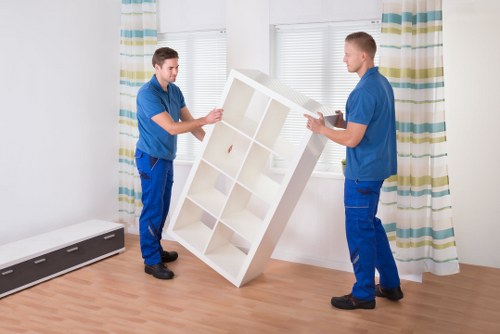
One of the most common reasons moves in Chinatown go off schedule is not the packing itself, but access. Streets can be narrow or busy, and parking may be subject to restrictions or shared use. In some cases, loading may need to happen quickly and in coordination with building rules or local traffic flow. A local moving company should be ready to account for all of that, rather than discovering it after the van is already outside.
Many homes in Chinatown sit within apartment blocks, mixed-use buildings, converted spaces, and upper-floor units. These often come with shared corridors, lift booking requirements, or specific moving hours. For residents, that means the move needs to be planned with care to avoid disturbing neighbours or breaching building policies. For commercial customers moving from a shopfront or office area, timing may also need to work around customer footfall, deliveries, or opening hours.
Local experience also helps with choosing the best approach to bulky items. A sofa that fits into one property may not fit through a tight stairwell in another. A bed frame may need partial dismantling. A fridge or washing machine may need a protected route to prevent damage to walls and floors. These are the kinds of details that a knowledgeable Chinatown mover can spot early, helping you avoid surprises on the day.
Who we help with home moves in Chinatown
Our service is designed to support a wide range of local customers. Chinatown has a unique mix of residents, landlords, and business users, and each move type needs a slightly different approach. If you are not sure where your move fits, the answer is usually simple: we adapt the service to the property, the items, and the timing.
Residential customers
Home moves often involve more than furniture. There may be boxed belongings, wardrobes, kitchen equipment, fragile decor, electronics, and sentimental items that need extra care. We can help with moving from:
- Studio apartments
- One- and two-bedroom flats
- Shared homes
- Family apartments
- Upper-floor units with stairs or lift access
Residential customers often want the move to feel calm and organised, especially if children, pets, or work commitments are involved. A structured moving plan makes that easier.
Landlords and property managers
If you manage rental property in or near Chinatown, you may need help with tenant turnovers, furniture removal, or relocating items between units. A dependable moving service can help reduce downtime between occupants and ensure items are moved carefully, especially where buildings have shared access or strict rules.
Commercial and mixed-use customers
Not every move in Chinatown is a traditional home relocation. Some customers need help moving household goods from a live-work unit, relocating a small office, or shifting stock and equipment from an upper-floor commercial space. We can support small commercial relocations where the emphasis is still on careful handling, efficient loading, and respect for neighbouring businesses.
Preparation checklist for a smoother move
Good preparation helps any move go better, but it is especially useful in a busy area like Chinatown where timing and access can affect the whole day. Here is a simple checklist that can help you get ready:
- Confirm your moving date and access times with the property manager or landlord.
- Check parking or loading arrangements near both properties.
- Sort belongings into keep, donate, recycle, and dispose piles.
- Pack an essentials box with documents, chargers, toiletries, snacks, and basic kitchen items.
- Label boxes clearly by room and note fragile items.
- Measure larger furniture if you are unsure about stairways, doors, or lift space.
- Defrost and clean appliances if they are being moved.
- Set aside keys, permits, and building instructions for moving day.
You do not need to complete everything on your own. Many customers choose to handle their own packing but ask the movers to take care of the loading, transport, and heavy lifting. Others prefer a more hands-off service. Whatever your preference, it helps to be clear early so the team can prepare properly.
Tip: If you have fragile or valuable items, mention them during the booking process rather than waiting until the day of the move. That gives the movers time to plan protective wrapping, suitable placement in the vehicle, and the safest route into the property.
Pricing factors for Home Moves in Chinatown
Every move is different, so it makes sense that pricing depends on several practical factors rather than a one-size-fits-all figure. A reputable moving company should explain what influences the quote so you understand what you are paying for. This can help you compare services fairly and choose the right level of support.
Common pricing factors include:
- Property size and volume of items
- Distance between collection and delivery points
- Access conditions such as stairs, lifts, or long carrying distances
- Parking and loading challenges
- Packing support or materials required
- Furniture dismantling/reassembly
- Timing, including busy periods or tight booking windows
- Special handling for fragile, oversized, or awkward items
Some customers look for the lowest number first, but it is often smarter to focus on clarity and fit. A quote that reflects the real move requirements is usually more reliable than a rough estimate that leaves key details out. If you want better value, be accurate about what is being moved, what floor each property is on, and whether the move includes packing or assembly support. That level of detail helps the quote match the job.
Why choose a local moving company for Chinatown?
Choosing a local team offers more than convenience. It means working with people who understand the layout, traffic patterns, and practical realities of moving in the area. In Chinatown, that local awareness can save time and reduce stress because the movers are more likely to anticipate access issues before they become a problem.
Local knowledge that makes a difference
A local company is more likely to know how busy certain streets can become, where loading may be easier, and which property types need extra attention. That is useful whether you are moving out of a compact apartment, into a serviced residential building, or between nearby neighbourhoods such as the surrounding city centre areas, mixed-use districts, or adjoining residential streets. The value lies in practical experience, not guesswork.
More flexible service for nearby customers
Because Chinatown is close to many other local destinations, moves often involve short trips rather than long-distance relocations. That creates an opportunity for a flexible, responsive service. If you need to coordinate a same-day move, a partial move, or the transport of a few large pieces, a local team can often adapt more easily than a distant operator.
Better suited to mixed customer needs
Many customers in and around Chinatown need more than a basic house move. They may need disposal support, item storage coordination, short-notice lifting help, or a move that works around business hours. A local moving company is generally better placed to provide that kind of tailored service because it already understands the pace and variety of the area.
What to expect on moving day
Moving day should feel structured, not chaotic. Once the move begins, the team should work methodically, protecting your belongings and keeping communication clear. A good moving day experience often starts with confirming the load order and checking any access instructions before the first item is carried.
You can expect the team to handle larger furniture with care, wrap or protect items where necessary, and load the vehicle in a sensible sequence. Boxes and fragile items should be placed securely so they do not shift during transport. Once at the new property, the most helpful movers will place items where you need them rather than leaving everything in one pile at the door. That can save hours of effort later.
If there are stairs, narrow landings, or shared corridors, the movers should take extra care to protect walls, floors, and door frames. In a busy area like Chinatown, that care extends to being considerate of neighbours and the flow of people nearby. Professionalism is not only about how items are handled; it is also about how the whole move interacts with the building and the street.
FAQs about Home Moves in Chinatown
How far in advance should I book?
It is best to book as early as you can, especially if you are moving at the end of a month, on a weekend, or during a busy period. Early booking gives more time to plan access and coordinate any building requirements.
Can you help with flats above shops or restaurants?
Yes, many moves in Chinatown involve upper-floor homes or mixed-use buildings. These can be moved efficiently with the right access planning, lifting strategy, and timing.
Do I need to pack everything myself?
Not necessarily. Some customers pack their own belongings and ask for help with transport and lifting. Others want full packing assistance. The right choice depends on your schedule, budget, and how much help you need.
What if my building has lift booking rules or moving time limits?
That is very common in city properties. Let the moving team know in advance so they can plan the schedule around the permitted times and make the move as efficient as possible.
Can you move large or awkward furniture?
Yes, but it helps to mention these items early. Large wardrobes, sofas, beds, appliances, and heavy cabinets often need careful planning, and some may need dismantling before they can be moved safely.
Do you handle short local moves as well as longer ones?
Yes. Many Chinatown customers are moving a short distance to another nearby home or building. Even a short move still needs proper handling, especially when access is tight or the items are valuable.
What should I do if I am unsure about parking?
Check with the building manager, landlord, or local authority rules where appropriate. If you are unsure, mention it when booking so the movers can advise on the best way to approach the loading process.
Areas covered around Chinatown
Customers arranging home moves in Chinatown often also need support in nearby city-centre and inner-urban locations. Depending on the route and property needs, local moving services may also cover surrounding residential blocks, adjacent commercial areas, and nearby neighbourhoods where access and parking conditions are similar. This is particularly useful if you are moving between Chinatown and another central district or if your move involves a storage stop, a second property, or an office-to-home transition.
If you are not sure whether your collection or delivery point falls within the service area, it is worth asking during the quote stage. The more detail you provide, the easier it is to confirm the right approach and avoid misunderstandings on the day.
How to choose the right moving support for your home
When you compare services, focus on the questions that affect your actual move. Do you need only transport, or do you also need packing, dismantling, or heavy-item help? Does the mover seem comfortable with flats, shared access, and busy streets? Can they adapt to the realities of Chinatown rather than offering a one-size-fits-all solution?
Good moving support should feel practical, responsive, and easy to plan around. You want a team that listens to what you need, explains how the move will work, and helps you prepare without pressure. That makes the difference between a stressful moving day and a well-managed one.
If you are ready to take the next step, contact us today, request a free quote, and book your service now. A local move in Chinatown deserves local planning, careful handling, and a service built around the property type, the access, and the pace of the area.
Final thought
Home Moves in Chinatown are about more than getting things from one place to another. They are about making the process manageable in a busy, tightly arranged part of the city. With the right preparation and a local team that understands the area, you can move with greater confidence, less disruption, and a clearer path into your new home.
Need help planning your move?
Get in touch, share the details of your property and belongings, and ask for a tailored quote. That first step can make the rest of the move much easier.