Movers in Chinatown: Local Moving Help for Homes, Apartments, and Businesses
Moving in Chinatown With a Team That Knows the Area
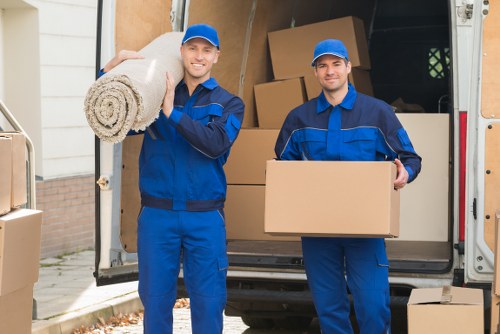
If you are planning a move in Chinatown, you already know that this neighborhood can be rewarding, busy, and sometimes a little complicated to navigate. Streets can be active, loading space may be limited, and many buildings have their own access rules, narrow hallways, or elevator booking requirements. That is exactly why choosing Movers in Chinatown matters. A local moving team understands how to work around the realities of the neighborhood while keeping your move organized and efficient.
Whether you are relocating from a walk-up apartment, a compact condo, a mixed-use building, or a storefront near a busy commercial block, the right crew can make a major difference. The goal is not just to transport boxes. It is to protect your belongings, reduce stress, and handle the details that often slow down moves in dense urban areas. For many local customers, the best moving service is one that can adapt to building access, traffic timing, and the needs of both residential and commercial moves.
Chinatown residents and business owners often have specific concerns: How will the truck stop? Can the movers handle stairs? What if the elevator is shared with other tenants? How do you move safely without blocking a narrow sidewalk or disrupting customers? These are real questions, and they are exactly the kind of issues a local team should be prepared to manage. Request a free quote when you are ready, and choose a mover that understands the neighborhood from day one.
Why Chinatown Moves Need a Different Approach

Moving in a busy urban district is never just about lifting furniture. In Chinatown, many properties sit on streets with heavier foot traffic, limited curb space, and frequent deliveries. That means timing matters. A skilled crew plans for arrival windows, loading access, and equipment setup so the move runs smoothly without unnecessary delays. This is especially important if you are moving during business hours or on a day when nearby streets are congested.
Older residential buildings in the area may have tight staircases, smaller doorways, or limited elevator capacity. In some cases, there may be no elevator at all. Commercial spaces can be equally challenging, especially if you are moving shelving, refrigerators, display fixtures, office desks, or inventory. A local moving company should be ready for careful packing, protective wrapping, and methodical loading to avoid damage and keep the process moving.
Another advantage of hiring local movers is familiarity with the pace of the neighborhood. Chinatown often blends residential towers, family apartments, restaurants, retail shops, offices, and cultural spaces in one compact area. That mix creates moving challenges that are different from suburban moves. An experienced team knows how to work efficiently without disrupting neighboring units or customers, which is especially important in buildings with shared entrances and limited loading zones.
Services Offered by Movers in Chinatown
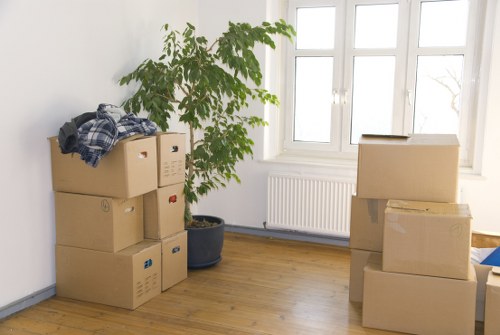
A reliable Chinatown moving service should be able to support different kinds of moves, from small apartment relocations to larger business transitions. Customers often need help with more than just carrying boxes, so it helps when the crew can assist with packing, furniture protection, and building navigation as part of one coordinated plan.
Common services may include:
- Local residential moving for apartments, condos, co-ops, and walk-up units
- Commercial moving for shops, offices, restaurants, and studios
- Packing and unpacking support for fragile items, kitchen goods, and everyday household items
- Furniture disassembly and reassembly for beds, tables, desks, and modular pieces
- Protective wrapping for glass, electronics, artwork, mirrors, and upholstered items
- Loading and unloading for customers using their own truck or storage unit
- Short-distance relocations within Chinatown and nearby neighborhoods
- Storage-related moves when items need to be moved in stages
These services are valuable because moving needs are rarely one-size-fits-all. A family moving from a small apartment may want help with boxes, fragile dishes, and a sofa. A restaurant owner may need fast, organized handling of tables, kitchen equipment, and supplies. A good local moving company should be flexible enough to support both situations with the same level of care and attention.
What to Expect on Moving Day
A Practical Process That Keeps Things Moving

On moving day, preparation and communication make all the difference. The process usually starts with an organized arrival, a walkthrough of the home or business, and a quick review of the most important items. From there, the movers can prioritize fragile belongings, identify bulky furniture, and decide the best path for moving items in and out efficiently.
For Chinatown properties, the team may need to account for stairs, freight elevator schedules, narrow lobbies, or loading restrictions. Good movers will adapt instead of forcing the move into a rigid system. They may use blankets, straps, dollies, floor runners, and corner guards to protect both your belongings and the building itself. That kind of preparation helps reduce the risk of damage and keeps the move organized.
The final stage of the move is just as important as the first. Items should be placed in the correct rooms or work areas so unpacking is easier. Customers moving into apartments often want boxes grouped by room, while commercial customers may want inventory and equipment set in a way that makes reopening easier. If you are booking movers in Chinatown, ask how they handle placement, assembly, and final cleanup so you know what is included.
Residential Moves in Chinatown
Apartment, Condo, Walk-Up, and Family Home Support
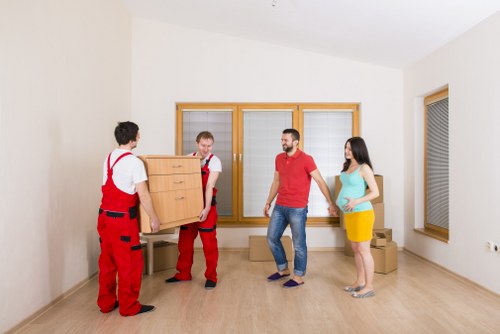
Residential moves in Chinatown come with their own set of expectations. Many customers are relocating from compact apartments where every square foot matters. In these homes, the challenge is often less about volume and more about careful handling. Furniture may need to be moved through tight spaces, boxed items may be stacked carefully, and fragile items often require extra padding and labeling.
If you live in a walk-up, the stairs can be the biggest issue. In that case, efficient teamwork is essential. Movers should know how to lift safely, share heavier pieces, and avoid scuffing walls or doorframes. For condo and apartment buildings, the moving company may need to work around elevator reservations, security procedures, or specific delivery time windows. Choosing local movers who are used to these conditions can make the process significantly easier.
Residential customers also benefit from clear labeling and room-by-room organization. A thoughtful move should help you settle in faster, not create another round of sorting later. If you are moving with children, pets, or older family members, it can be helpful to schedule the move so the most important items arrive first. Ask for a move plan that considers your family’s needs, your building’s rules, and the realities of the neighborhood.
Commercial Moves for Chinatown Businesses
Shops, Restaurants, Offices, and Professional Spaces
Chinatown is home to a wide range of businesses, and each one has different moving requirements. Restaurants may need equipment moved carefully and quickly. Retail shops often need display pieces, inventory, and POS equipment handled in an organized way. Offices may have files, computers, shelving, and desks that require secure packing and proper placement at the new location.
For business owners, downtime matters. A moving team that understands local commercial needs can help reduce disruption by planning around opening hours, customer traffic, and building access. In some cases, a staged move works best, allowing certain items to move first while the rest of the business stays operational for as long as possible. That kind of planning is one of the biggest advantages of working with movers who know Chinatown well.
Commercial customers should also think about building protection. Doorways, glass panels, floors, and shared corridors can all be vulnerable during a move. Professional movers can use protective materials and organized loading methods to help avoid unnecessary damage. If your business depends on quick reopening, make sure the moving crew understands which items are essential and how they should be set up once they arrive.
Nearby Areas Commonly Served
Helping Customers Across the Local Area
Many customers looking for movers in Chinatown also need help in nearby neighborhoods and surrounding districts. Local moving teams often serve adjacent residential and commercial areas, making it easier to plan a move that includes short travel time and better familiarity with local streets. That can be especially useful if you are moving between apartments, storage units, or business locations not far from Chinatown.
Nearby service areas may include neighboring downtown districts, mixed-use corridors, and other urban communities with similar building styles and access challenges. If your move starts in Chinatown and ends somewhere close by, a local mover can often provide a more efficient experience than a team unfamiliar with the area. Short-distance moves still require careful planning, especially when parking, loading, and building rules are part of the equation.
When asking for a quote, it helps to mention both the starting point and the destination so the team can estimate travel, timing, and labor needs accurately. Even a move that looks simple on paper can become complicated if the new property has tighter access, stairs, or limited unloading space. Sharing these details early helps the moving company prepare the right crew and equipment.
What Affects the Cost of a Move?
Understanding the Main Pricing Factors
Every move is different, so pricing usually depends on the details of the job rather than a flat approach. The most common factors include the size of the move, the amount of packing involved, the number of stairs, the distance between locations, and the type of property being moved. A studio apartment with a few large pieces may require a different setup than a restaurant relocation or a multi-room household move.
Some customers also need extra time for building access, elevator scheduling, or waiting for loading space to become available. Those details can matter a lot in Chinatown, where street conditions and property layouts may affect the pace of the move. If the move involves unusually heavy items, delicate furniture, or items that need special handling, that can also affect the estimate.
Ask for a clear explanation of what is included so you can compare quotes properly. You may want to know whether the estimate covers packing help, wrapping materials, furniture disassembly, or placement at the destination. A transparent quote should be based on the actual details of your move, not vague assumptions. That is one reason customers value local movers who take time to understand the job before the moving day arrives.
How to Prepare for Movers in Chinatown
A Simple Checklist for a Smoother Move
Good preparation can save time, reduce confusion, and help protect your belongings. If you are moving in Chinatown, it is smart to think about both your items and the building conditions ahead of time. A little planning goes a long way, especially in areas where access may be limited or where other residents and businesses share the same entrance or hallway.
Use this checklist to get started:
- Sort belongings and separate items you do not want moved
- Label boxes by room and note fragile contents clearly
- Reserve elevator access if your building requires it
- Check whether parking or loading permits are needed
- Measure large furniture to make sure it fits through doors and corridors
- Pack valuables and important documents separately
- Notify your building manager or landlord about the moving date if required
- Keep essentials like chargers, medication, and basic toiletries easy to reach
It is also wise to prepare a small “first night†box with items you will need right away. That might include bedding, a change of clothes, snacks, phone chargers, and everyday kitchen basics. For business moves, prepare a separate set of critical items such as keys, login details, payment tools, and essential supplies. The more organized you are before the movers arrive, the easier it is to settle in afterward.
Why Choosing a Local Chinatown Moving Company Matters
Local Knowledge Can Save Time and Stress
There is a real advantage to hiring movers who already understand Chinatown. Local crews are more likely to know how to work around narrow streets, dense traffic, older buildings, and mixed residential-commercial blocks. That familiarity can make scheduling easier and help prevent the kinds of delays that often happen when a crew is new to the neighborhood.
Local movers may also be better prepared for customer needs that are specific to urban living. For example, apartment buildings often have strict move-in or move-out rules, and businesses may need to avoid peak customer hours. A local team can plan around these realities and help keep your move as smooth as possible. That kind of practical experience is valuable when the neighborhood itself is part of the challenge.
Another benefit is responsiveness. When a moving company works in the area regularly, it is easier to coordinate timing, understand the route, and adapt if conditions change. For customers, that means less uncertainty and a more straightforward process from quote to final delivery. If you want a move handled with care and common sense, local knowledge should be high on your list.
What Makes a Reliable Moving Experience
Look for Care, Organization, and Clear Communication
A dependable moving service should make the process feel manageable. That starts with communication. You want a crew that listens to what needs to be moved, asks the right questions, and explains how the move will be handled. In Chinatown, this includes talking through access points, loading options, stair counts, elevator reservations, and any special concerns about the building or street.
Professionalism also matters on the day of the move. Movers should arrive ready to work, treat your home or business with respect, and use the right equipment for the job. Careful wrapping, steady lifting, and organized placement all show that the team understands the importance of protecting your items. Customers should feel confident that their belongings are being handled thoughtfully.
Reliability does not mean promising perfection. It means being prepared, showing up ready, and making reasonable adjustments when real-world conditions demand it. If you are comparing moving companies, look for one that explains its process clearly and gives practical answers to your questions. That is often the strongest sign that the team is used to handling local moves successfully.
Frequently Asked Questions About Movers in Chinatown
Answers to Common Customer Questions
Do movers in Chinatown handle both apartments and businesses?
Yes. Many local moving teams work with residential customers, commercial clients, and mixed-use properties. It is helpful to mention whether the move is for a home, shop, office, or restaurant so the crew can prepare properly.
Can movers help with stairs and walk-up buildings?
Absolutely. This is a common part of moving in Chinatown. Be sure to mention stair access in advance so the movers can plan labor, equipment, and timing appropriately.
What if my building has a narrow loading area?
That is very common in dense city neighborhoods. A good mover will plan around available curb space, coordinate arrival timing, and use efficient loading methods to reduce delays.
Do I need to pack everything myself?
Not necessarily. Some customers pack on their own, while others want help with full or partial packing. If you have fragile items, awkwardly shaped belongings, or limited time, packing support can be a smart option.
How early should I book?
It is usually best to book as early as possible, especially if your move depends on elevator reservations, building rules, or a specific date. Early planning also gives you more time to prepare and organize.
Can movers help with furniture disassembly?
Many can, especially for beds, tables, shelving, and modular items. If you have large furniture that will not fit easily through doors or staircases, ask about disassembly ahead of time.
What should I tell the moving company before the move?
Share the size of your home or business, the number of rooms, any large or fragile items, access details, and whether parking or elevator restrictions apply. The more accurate the information, the better the plan.
Ready to Plan Your Move?
Make Your Chinatown Move Easier from the Start
If you are looking for Movers in Chinatown who understand local buildings, traffic, and access challenges, now is the time to take the next step. A well-planned move starts with a team that knows how to handle tight spaces, busy streets, and the practical details that come with city living. Whether you are moving a home, apartment, office, or storefront, the right support can save time and reduce stress.
Ask about service options, share the details of your property, and request a free quote based on your specific move. That will help you compare options and choose a mover who is prepared for the realities of the neighborhood. If you are ready to move soon, book your service now and get the process underway with confidence.
From first box to final placement, local moving help should make your transition smoother. Contact us today when you are ready to discuss your move, and let a Chinatown-focused team help you plan the right approach for your home or business.