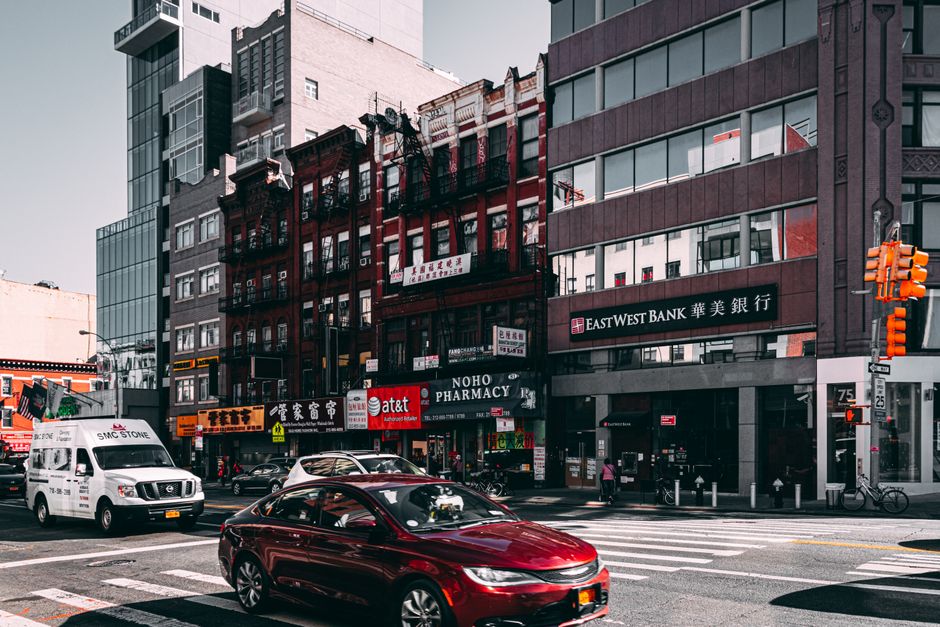
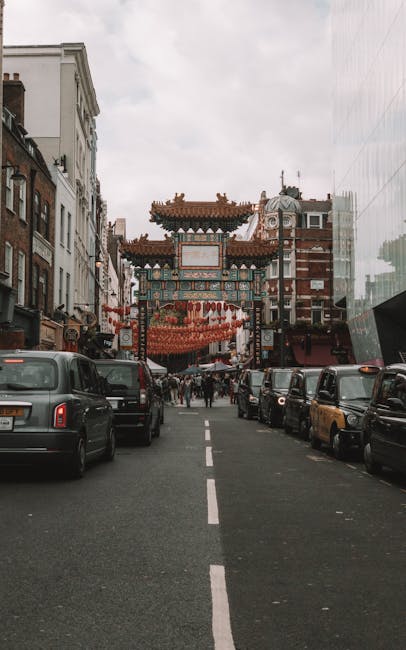
WC2H man with van parking and loading Chinatown guide
If you are planning a move, delivery, or furniture pickup in WC2H, the tricky part is often not the lifting. It is the parking, loading, and timing around Chinatown's busy streets. The WC2H man with van parking and loading Chinatown guide below is built to help you handle the practical side of a move without the usual stress, circling, or last-minute panic.
In this part of central London, a simple collection can become complicated fast. Narrow streets, taxis, buses, delivery traffic, pedestrians, and local restrictions all stack up. One wrong assumption and you are walking a wardrobe half a street away in the rain. Not ideal, to say the least.
This guide explains how man with van parking and loading usually works in Chinatown and the wider WC2H area, what to check before booking, how to avoid common mistakes, and which service choices make the most sense depending on your job. If you need a practical, local-minded overview, you are in the right place.
For readers who want a broader service overview first, the main Man with Van Chinatown homepage is a useful starting point, while this article goes deeper into the parking and loading realities that matter on the ground.
Why WC2H man with van parking and loading Chinatown guide Matters
Parking and loading in Chinatown are not background details. They shape whether the whole job goes smoothly or turns into an awkward, delayed mess. WC2H sits in one of central London's most active and tightly managed areas, so the moment a van arrives, the clock starts working against you.
The reason this matters is simple: a man with van service depends on short, efficient access. If the driver cannot stop close enough, you may need extra carrying time, more labour, a second trip, or a different vehicle strategy altogether. That affects cost, timing, and sometimes what can be moved safely at all.
There is also the human side of it. Nobody wants to stand on a narrow pavement trying to shield a sofa from passing traffic while checking a phone for messages from the driver. You want clarity before the van arrives, not after.
In practical terms, this guide helps you think about:
- how close the van can reasonably get to your building
- where loading can happen without blocking traffic or footfall
- whether waiting, stopping, or unloading quickly is the best approach
- how to reduce delays during peak hours, evenings, or busy weekend periods
If your move involves flats, studios, shops, office items, or bulky furniture, these details matter even more. Chinatown and the streets around WC2H are lively, compact, and sometimes unforgiving. That is exactly why a proper plan pays off.
How WC2H man with van parking and loading Chinatown guide Works
At a practical level, a man with van move in WC2H usually follows one of three patterns: a quick kerbside stop, a short loading bay stop, or a pre-arranged access plan where the vehicle times arrival to avoid the busiest periods. The right option depends on the item size, the property access, and the street conditions on the day.
Most readers picture loading as simple: park, open the doors, lift things in, leave. In Chinatown, it is rarely that neat. A good operator will think about whether the van can safely stop without causing disruption, whether there is room to manoeuvre, and whether the route from door to vehicle is actually workable with trolleys, boxes, or awkward items.
Some moves need a short-term stop while others need a stricter loading strategy. If you are unsure how parking and loading should be handled for your specific move, the service pages for man and van and removal services explain the broader service types, which can help you match the job to the right level of support.
In this area, the process usually comes down to four questions:
- Can the van stop legally and safely near the property?
- How far will items need to be carried?
- How long will the load or unload take?
- Do any building rules, road restrictions, or access issues change the plan?
Get those answers right and the rest gets much easier. Get them wrong and even a small move can stretch out like nobody's business.
Key Benefits and Practical Advantages
A well-planned parking and loading approach does more than save time. It improves the whole moving experience. The biggest benefit is predictability. When you know where the van can wait, where it can load, and how long the handover will take, you remove a lot of friction before it starts.
Here are the advantages people notice most:
- Less carrying distance: shorter walks mean less fatigue and lower risk of damage.
- Better timing: less time spent searching for access or waiting for a gap in traffic.
- Lower stress: the job feels controlled instead of improvised.
- Reduced risk of fines or complaints: sensible parking choices help you avoid unnecessary issues.
- Cleaner service estimates: the more accurate the access plan, the more accurate the quote tends to be.
There is also a quality-of-service benefit that people often overlook. A driver who knows the loading pattern in Chinatown can make faster, calmer decisions. That matters on busy streets where a rushed decision can quickly become a bad one. You will notice the difference in the pace of the move, even if it is just a one-bedroom flat or a few large items.
For readers comparing moving styles, the article on man with van Chinatown vs full-service movers cost check is useful if you want to weigh flexibility against a more hands-off move.
Expert summary: In WC2H, successful loading is rarely about brute force. It is about access planning, timing, and choosing the simplest legal stopping point that still keeps the move efficient.
Who This Is For and When It Makes Sense
This guide is for anyone moving, collecting, or delivering in WC2H who needs a van to stop close enough to load safely. That includes tenants moving between flats, students with compact room contents, small businesses receiving stock, and households shifting bulky items from a shop, storage unit, or upper-floor property.
It especially makes sense if you are dealing with:
- tight access on or near Chinatown streets
- a property with no private driveway or forecourt
- stairs, basement steps, or narrow hallways
- heavy items that are awkward to carry far
- same-day or short-notice moves
- deliveries that need quick turnaround rather than a long removal window
If your job is small but awkward, this guide is still relevant. A single sofa or fridge can be more difficult than three light boxes. Truth be told, that is where many jobs go sideways: not because the volume is huge, but because one item is bulky and the parking is tight.
It also makes sense if you are trying to decide whether you need a simple van hire or a proper man with van service. The difference is not just manpower. It is coordination, local access judgement, and the ability to work around the realities of central London streets. For broader moving scenarios, the house removals page and the commercial moves page may help you compare your options.
Step-by-Step Guidance
If you want the move to go smoothly, the best approach is to plan backwards from the loading moment. That means thinking about access before the boxes are packed, not after. A slightly boring process, perhaps, but boring is good here.
1. Confirm the exact pickup or drop-off point
Do not rely on "near Chinatown" or "just off WC2H." Pin down the street, building number, entrance location, and whether the item must come from a rear alley, side door, basement, or upper floor. The more specific you are, the fewer surprises later.
2. Check how the van can stop
Think about where the vehicle can legally pause, not just where it would be convenient. A van that blocks a tight lane or sits too far from the entrance can create delays. If the move involves a loading bay or short stop, tell the provider exactly what time window you expect to need.
3. Assess the walking distance
From the van to the door, how far is it really? Ten metres feels fine. Fifty metres feels different once you are carrying furniture through a busy street with people weaving around you. In our experience, people often underestimate this part.
4. Measure bulky items before the day
Fridges, mattresses, sofas, desks, and wardrobes need a quick check against doorways, lifts, stairwells, and van space. If you have a large or unusually shaped item, a page like large item moves on Gerrard St Chinatown options can help you think through the practical side.
5. Decide whether you need help with packing or dismantling
Sometimes the real issue is not parking at all. It is a bed frame that has not been taken apart, or a desk that will not fit through the building staircase. A little prep saves a lot of faff. If needed, look at packing and unpacking services for extra support.
6. Build in a time buffer
Busy central London streets can throw up small delays. A delivery van ahead, a pedestrian crossing, a short wait for access, a last-minute building restriction - it all adds up. Leave breathing room. You will feel much calmer for it.
7. Confirm the arrival plan with the provider
Before the day, share access details, floor level, item list, parking notes, and any restrictions. If the provider offers clear booking help, a page such as instant Chinatown removal quotes book online today may be useful for understanding how quoting and scheduling work.
Expert Tips for Better Results
There are a few small habits that make a surprisingly big difference in Chinatown. None of them are glamorous. All of them help.
- Schedule with the street rhythm in mind. Early starts often work better than mid-day arrivals because foot traffic, taxi movement, and general street noise tend to build later.
- Group items by exit order. Put the first thing out nearest the door and the last thing deeper inside. It sounds basic, but it saves awkward shuffling.
- Use protective wrapping for delicate or awkward items. Corners get knocked more easily when the carrying distance is short but busy.
- Keep building access clear. A lobby blocked by bags, shoes, or delivery parcels slows the whole job down.
- Have one person act as the point of contact. Too many voices create confusion. One calm organiser is better than four people shouting instructions from a pavement. Happens more often than you'd think.
- Ask about narrow access experience. If the route includes cramped stairs, basement turns, or tight parking, a provider with local experience will usually be more efficient.
Another smart move is to be honest about the job size. If you think something might be a tight fit, say so. A good operator would rather know early than discover the problem with half the van already loaded. That is just common sense, really.
If your move is likely to be especially awkward, these supporting reads are worth a look: Chinatown removals Lisle Street narrow access tips and Shaftesbury Avenue Chinatown removals access solutions.
Common Mistakes to Avoid
The most common errors are simple ones, but they have a habit of snowballing. A move can look straightforward on paper and still turn into a headache because of one overlooked detail.
- Assuming there will always be a place to stop. WC2H is busy enough that spontaneous parking plans often fail.
- Underestimating loading time. Carrying through tight access takes longer than carrying from an open driveway.
- Not checking item dimensions. If the sofa is wider than the staircase landing, you will know it at the worst possible moment.
- Booking too late in the day. The later you arrive, the more crowded and unpredictable the area can feel.
- Forgetting about building rules. Some properties have access rules, lift bookings, or limits on when moves can happen.
- Leaving parking details vague. "Somewhere near Gerrard Street" is not enough. Not even close.
There is also a quieter mistake: trying to save time by skipping the access discussion. It feels efficient at first, but it usually creates more work later. A five-minute conversation upfront is worth far more than a twenty-minute scramble on the pavement.
If you are weighing different move sizes and structures, the article on Wardour Street Chinatown flats efficient studio removals can give a useful sense of how compact moves are handled in the area.
Tools, Resources and Recommendations
You do not need a huge toolkit for a local man with van job, but the right basics make a noticeable difference. A move in Chinatown is easier when you are prepared for tight spaces, short stops, and quick handovers.
| Tool or resource | Why it helps | Best for |
|---|---|---|
| Measuring tape | Checks item sizes against doorways, lifts, and vehicle space | Furniture, appliances, awkward shapes |
| Furniture blankets | Helps protect edges and surfaces during short carry distances | Sofas, cabinets, desks |
| Ratchet straps | Keeps loads stable during transport | Mixed van loads, stacked items |
| Utility trolley | Reduces strain and speeds up movement over short distances | Boxes, small appliances, office items |
| Labels or marker pen | Makes unloading faster and less confusing | Multi-item home or office moves |
| Photos of access points | Helps the mover judge entrances, stairs, and loading options before arriving | First-time jobs, tricky streets, basement access |
On the service side, it can help to understand the difference between vehicles and support levels. For example, the pages on moving van, removal van, and man with van give a clearer sense of what kind of setup may suit your job.
If your move is part of a larger clear-out, you may also find the furniture pick up page helpful, especially if you are dealing with one-off bulky pieces rather than a full household move.
Law, Compliance, Standards, or Best Practice
Parking and loading in central London should always be handled with care. I am going to be careful here: specific road restrictions, loading bay rules, and borough requirements can change, and they can differ by street or time of day. So the safest approach is not to assume. Check the details for your exact location before moving day, especially if your job sits near a busy section of Chinatown or the wider Westminster area.
Best practice is usually straightforward:
- stop only where loading is genuinely allowed or appropriately tolerated
- keep the vehicle positioned safely and do not obstruct emergency access
- minimise unloading time where possible
- make sure items are moved without creating hazards for pedestrians
- follow building rules and local instructions, even if they feel inconvenient
For providers and customers alike, good standards also include basic safety awareness. That means sensible lifting, secure loading, careful route planning, and respect for people walking past. A moving job should never feel like a free-for-all on the pavement.
These supporting pages are relevant if you want to understand how a provider approaches the practical side of service delivery: insurance and safety and health and safety policy. For booking and commercial terms, the terms and conditions and payment and security pages are also sensible reads.
One small but important point: if a job involves waste removal, skip alternatives, or disposal, do not mix up moving rules with rubbish disposal rules. Different jobs, different expectations. Simple, but easy to muddle when you are busy.
Options, Methods, or Comparison Table
If you are deciding how to handle loading in WC2H, it helps to compare the main approaches side by side. The "best" option depends on what you are moving, how much time you have, and how tight access really is.
| Approach | Best for | Pros | Watch-outs |
|---|---|---|---|
| Kerbside quick stop | Very short jobs, light loads, simple handovers | Fast, simple, often the least disruptive | Can be risky if parking space is not actually available |
| Loading bay or permitted stop | Planned collections and deliveries | More structured, usually easier to manage | May require timing discipline and clear communication |
| Pre-booked assisted move | Bulky items, stairs, awkward access | Less physical strain, smoother handling | Costs more than a simple self-managed job |
| Split-load approach | Jobs with limited access or multiple stops | Flexible and practical in busy streets | Can take longer if not organised well |
If you want a quicker move with less hassle, a provider that knows the area can be worth more than a slightly cheaper option with no local awareness. That said, cost still matters. The pricing and quotes page is a sensible place to check how estimates are usually presented.
There is also a useful comparison between move styles on the avoid hidden fees Chinatown removal pricing explained page if you want a better feel for what can affect the final bill.
Case Study or Real-World Example
Here is a realistic example. A customer in WC2H needed to move a compact flat's contents, including a bed frame, a couple of boxes, and a small dining table. On paper, it looked simple. In practice, the building entrance was narrow, the street was busy, and the closest obvious stopping point was not ideal for a long wait.
The solution was to keep the load organised in advance, arrive in a tighter time window, and focus on a short, efficient stop rather than a drawn-out unloading session. The bed frame was dismantled before the van arrived, boxes were grouped near the door, and the route from flat to van was cleared before anything heavy was carried.
The result was not glamorous, but it worked. There was less back-and-forth, less confusion, and fewer awkward pauses in the street while people tried to decide who should hold what. A tiny bit of planning changed the whole tone of the move.
That is often what makes the difference in Chinatown: not heroic lifting, just sensible preparation. You can almost hear the relief in the room when the last item is loaded and nobody has had to improvise with a wobbly trolley or a guessed parking spot. Small win, but a real one.
For similar tight-access situations, the article on basement flat removals in Chinatown tight access fixes gives a good sense of the planning mindset that helps in cramped central-London properties.
Practical Checklist
Use this checklist before your move, collection, or delivery. It keeps the job grounded and stops small oversights from becoming big ones.
- Confirm the exact WC2H address and entrance point.
- Check whether the van can stop legally and safely near the property.
- Measure large items and note any especially awkward pieces.
- Ask about stairs, lifts, basement access, or rear entrances.
- Group items by priority so the load order is clear.
- Prepare protective wrapping for fragile or valuable items.
- Set a realistic time window with some buffer.
- Make sure the provider knows about any access restrictions or building rules.
- Keep pathways clear inside the property.
- Have a single point of contact on the day.
- Check whether you need packing help, dismantling, or extra manpower.
- Keep payment and booking details tidy and easy to confirm.
If you want to look at specific moving categories, the home moves, office removals, and man with van removal pages can help you match the checklist to a real service type.
Conclusion
The truth about WC2H man with van parking and loading Chinatown guide work is that the move itself is often only half the challenge. The other half is access. If you plan parking, loading, timing, and item handling properly, the whole job becomes calmer, faster, and much easier to manage.
Chinatown rewards people who are prepared. It does not reward guesswork. So take a moment to map out the stopping point, think through the carry distance, and make sure the provider understands the street conditions before the van arrives. That little bit of care can save a lot of stress later.
If you are weighing up a move, collection, or delivery in WC2H, the next sensible step is to compare the service level you need, check the access details, and get a quote based on the real conditions rather than a best-case guess.
Get a free quote today and see how much you can save.
And if you are still in the planning stage, that is fine too. A thoughtful move is usually a better move, even if it takes an extra five minutes to get right.
Frequently Asked Questions
Can a man with van stop for loading in Chinatown?
Sometimes yes, but it depends on the exact street, time of day, local restrictions, and whether the stop is genuinely for loading. In WC2H, you should never assume a van can just pull up anywhere. The safest approach is to plan the stop in advance and confirm the access details.
What is the best time for loading in WC2H?
Earlier in the day is often easier than later, because streets can become busier as the area fills with pedestrians, taxis, and general traffic. That said, the right slot depends on your property, your building rules, and the length of the job. A good provider will help you choose a sensible window.
Do I need a loading bay for a man with van job?
Not always. Some jobs use kerbside stops, while others work better with a loading bay or a short permitted stop. It really comes down to the size of the move and the street conditions. If access is tight, a loading bay can make the job smoother, but it is not the only option.
How far should items be carried to the van?
Ideally, as short a distance as safely possible. The longer the carry, the slower the move and the greater the strain on everyone involved. Even a short carry feels longer when you are dealing with stairs or a busy pavement. Keep the route as direct as you can.
What happens if parking is not available when the van arrives?
If parking is tight, the mover may need to wait briefly, reposition, or adjust the loading plan. That is why it helps to share very specific access notes ahead of time. If you are worried about this, it is better to flag it early than to hope for the best.
Is man and van cheaper than full removals for Chinatown moves?
Often it is, especially for smaller jobs, single-item moves, or short-distance collections. But the final cost depends on access, time, and the support required. If you want to compare service types properly, the cost-check article on the site is a good place to start.
Can a man with van help with stairs and tight hallways?
Yes, many can, but it is important to mention stairs, narrow turns, or basement access before booking. Those details affect timing and the amount of help needed. A move upstairs in WC2H is not the same as a ground-floor handover, and everyone knows it once the first heavy item turns the corner.
What items are hardest to load in Chinatown?
Large sofas, wardrobes, fridges, mattresses, and awkward flat-pack pieces are usually the most challenging. The item itself matters, but so does the access route. A light item can still be a problem if the building is cramped or the street stop is too far away.
Should I dismantle furniture before the move?
If an item is large or awkward, yes, dismantling often makes sense. It reduces the chance of damage and makes loading much easier. Beds, some desks, and modular furniture are common candidates. Just keep the screws and fittings in a labelled bag so you do not spend the evening hunting for them.
How do I prepare for a same-day move in WC2H?
Stay focused on the essentials: confirm the address, clear access routes, identify bulky items, and tell the provider about any restrictions straight away. Same-day jobs work best when everybody understands the plan quickly. If you leave too much to guesswork, delays creep in fast.
What should I ask before booking a man with van in Chinatown?
Ask about parking assumptions, loading support, waiting time, access issues, and whether the provider is used to narrow central-London streets. You may also want to ask about insurance, timing flexibility, and payment terms. A few clear questions now can save a lot of confusion later.
Where can I check policies and service details?
The site's policy pages are useful if you want to review the provider's approach to safety, pricing, payment, privacy, or terms before booking. That kind of checking may feel a bit dull, but it is the sort of dull that saves trouble. And that is worth doing.