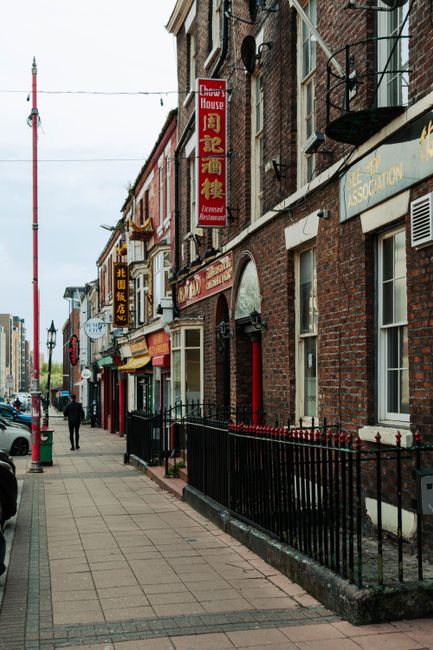
Gerrard Street Chinatown Moves: Best Times to Book
If you are planning Gerrard Street Chinatown Moves: Best Times to Book, the timing matters more than most people expect. In a busy part of central London, a simple booking decision can shape everything from parking stress to how smoothly the van gets in and out. Book too late and you may be stuck with awkward slots, tighter availability, or a rush-hour headache. Book too early without a plan and you can end up paying for moving support you do not need yet.
This guide walks through the best times to book, why the timing matters in a place like Gerrard Street, and how to plan a move without turning the day into a scramble. It is practical, London-aware, and focused on what really helps on moving day. No fluff. Just the stuff that makes the difference.
If you want a wider look at services while planning, you may also find the removals options useful, especially if your move involves more than a few boxes.
Table of Contents
- Why Gerrard Street Chinatown Moves: Best Times to Book Matters
- How Gerrard Street Chinatown Moves: Best Times to Book Works
- Key Benefits and Practical Advantages
- Who This Is For and When It Makes Sense
- Step-by-Step Guidance
- Expert Tips for Better Results
- Common Mistakes to Avoid
- Tools, Resources and Recommendations
- Law, Compliance, Standards, or Best Practice
- Options, Methods, or Comparison Table
- Case Study or Real-World Example
- Practical Checklist
- Conclusion
- Frequently Asked Questions
Why Gerrard Street Chinatown Moves: Best Times to Book Matters
Gerrard Street sits right in the thick of things. That is the first reality to accept. It is lively, busy, narrow in places, and surrounded by the kind of central London footfall that can make a straightforward move feel oddly complicated. The best time to book is not just about saving money. It is about securing the right slot for a location where timing and access can make or break the day.
Think about what usually goes wrong in a city-centre move: traffic builds fast, loading space is limited, lifts get shared, neighbours need notice, and a van that arrives at the wrong time can sit waiting while everyone looks at their watch. Bit annoying, really. Booking early gives you more control over those moving parts.
There is also a commercial side to it. If you are moving a flat, small business, office equipment, or stock, the right booking window can reduce downtime. For many people, especially if they are coordinating cleaners, landlords, building managers, or family help, moving day is a chain of appointments. One delay nudges everything else out of place.
In a busy area like Chinatown, timing is not a small detail. It is the detail.
How Gerrard Street Chinatown Moves: Best Times to Book Works
When people ask about the best time to book, they are usually asking two things at once: how far ahead should I reserve? and what time of day or week works best? Both matter.
In practical terms, the ideal booking window depends on the size of your move, your flexibility, and how much access planning is involved. A small flat move with a man and van service can sometimes be arranged with less notice than a larger home move, but central London timing still deserves care. If your move includes lifting restrictions, busy road access, or a need to coordinate packing, it is wise to book earlier rather than later.
For many readers, the sweet spot is not a single magic day. It is a combination of:
- booking far enough ahead to secure a sensible slot,
- avoiding peak congestion where possible,
- allowing time for packing, permits, and building access,
- choosing a slot that fits your actual moving workload.
Morning slots often work well because the streets are fresher, so to speak. Fewer delays have built up yet, and crews can usually get started before the day's traffic gets heavier. Midweek bookings can also be easier than weekends, depending on demand. If you can be flexible, that flexibility is worth money and stress saved. Truth be told, it is one of the easiest wins people overlook.
If you need help with a smaller-scale load, a man with van service may be enough. For larger or more complex moves, a fuller removal company approach may suit you better.
Key Benefits and Practical Advantages
Booking at the right time does more than protect your diary. It can improve the whole moving experience. Here are the main advantages.
- Better availability: The earlier you book, the more likely you are to get the time slot that actually suits your move.
- Less pressure: You have room to sort packing, decluttering, keys, and access details without panic.
- Smarter route planning: In central London, moving earlier in the day can help reduce the impact of traffic and loading delays.
- Cleaner coordination: You can line up building access, parking arrangements, and any helper you have roped in for the day.
- Lower risk of mistakes: Last-minute decisions tend to create more missed items, poor packing, and a vague sense that something has been forgotten.
There is a psychological benefit too. Once the booking is locked in, the move feels real. That can be strangely helpful. People stop "thinking about moving" and start actually preparing for it. One of the quietest but biggest advantages, honestly.
If your move includes boxes, furniture, or fragile items, planning ahead also helps you choose useful extras like packing and unpacking services, which can make a huge difference if time is tight.
Who This Is For and When It Makes Sense
This topic is for anyone moving in or around Gerrard Street Chinatown who wants to avoid a rushed, underplanned day. That includes:
- people moving from a flat or studio in central London,
- tenants working around fixed move-out and move-in times,
- small business owners relocating stock or equipment,
- households with limited parking or lift access,
- anyone booking a short-notice move and trying not to make a mess of it.
It makes sense most of all if your move has any of the usual central London complications: tight access, building restrictions, shared entrances, a need to keep disruption low, or a route that can be easily affected by traffic. Gerrard Street is not the sort of place where you want to wing it. Let's face it, winging it in central London is rarely a beautiful strategy.
This is also a good fit if you are comparing moving options. Some people only need a simple van booking. Others need the handling, loading, and timing support that comes with a more complete service. If you are moving office items or equipment, take a look at office relocation services for a more structured approach.
Step-by-Step Guidance
Here is the simplest way to plan the best booking time without overcomplicating the whole thing.
- Confirm your move date first. Lock down the actual handover date, lease end, key collection, or office vacate deadline before anything else.
- Work backwards from access needs. Check when your building allows loading, whether lift bookings are required, and whether there are any time windows you must use.
- Estimate the volume. A few boxes and a bed frame are very different from a full flat or office. Be honest here. People often under-estimate, then regret it later.
- Choose the best day, not just the best service. Midweek can be easier than weekends, and early morning is often calmer than late afternoon.
- Book early if your move is complex. If you need packing help, fragile-item handling, or multiple stops, do not leave it until the last minute.
- Share access details clearly. Give the mover the building restrictions, stair counts, parking notes, and any awkward bits up front.
- Prepare for the day before the van arrives. Label boxes, separate essentials, and keep keys, documents, and valuables with you.
One helpful habit: build a little buffer into your plan. Not a dramatic one, just enough to absorb the usual central London nonsense. A road closure, a delayed lift, a neighbour who needs five minutes in the corridor-small things, but they add up.
Expert Tips for Better Results
After enough moves, a few patterns become obvious. The people who have the smoothest days usually do the boring things well. That is not glamorous, but it works.
Book sooner than you think you need to. For Gerrard Street and nearby central areas, earlier booking can improve your choice of time slots and give you more confidence around logistics. If your preferred morning time is gone, you may end up reshuffling everything around a less ideal slot.
Plan around traffic, not just the clock. London traffic changes by the hour. A move that starts in a calm morning window can feel far more controlled than one squeezed into the late afternoon rush. You can almost hear the difference: less honking, fewer impatient revs, less of that "where on earth do we stop?" energy.
Keep the load simple. Split essentials, fragile items, and bulky furniture into clear groups. Even a small job goes more smoothly when the mover can see what needs handling first.
Do not hide awkward details. Narrow stairs, no lift, a long carry from the kerb, or a loading bay with restrictions-say it early. Movers can plan around reality. They cannot plan around guesswork.
Choose a service level that fits the move. If you only need transport, a basic van service may be enough. If you need loading help, look at a more complete option such as removal services.
Think about what happens after the move. A clean handover matters. If you have leftover furniture or unwanted items, it may be worth arranging furniture pick up rather than leaving disposal until the last minute.
Common Mistakes to Avoid
Most move-day headaches are predictable. That is the annoying part. The good news is they are also avoidable.
- Booking too late: Waiting until the final few days limits your options and can force you into a less convenient slot.
- Ignoring access rules: A van may be available, but that does not mean the street, loading space, or building access is.
- Assuming the move will be quick: City-centre moves often take longer than people expect. Crowds, stairs, lift waits, and traffic all take their turn.
- Not telling anyone about the awkward stuff: If there is a long carry or no parking nearby, say so early. It matters.
- Overfilling boxes: Heavy boxes are miserable to lift and easier to damage. Use sensible packing, not heroic packing.
- Leaving packing until the night before: We have all seen that plan fall apart. It always does, in some form.
Another common issue is booking a time that works for you emotionally but not practically. Late afternoon can feel convenient, but if it overlaps with traffic or building restrictions, it may be the worst slot of the lot. Always weigh convenience against access.
Tools, Resources and Recommendations
You do not need a fancy moving toolkit, but a few basic tools and checks make life easier.
- Inventory list: Write down the main items you are moving so nothing gets forgotten.
- Labelled boxes: Keep room labels and a simple priority system, such as "open first" or "fragile".
- Measuring tape: Measure large furniture and key gaps like doors, stair turns, and lift openings.
- Calendar reminders: Set reminders for keys, access slots, and any building booking deadlines.
- Parking and access notes: Even a short note on your phone can help avoid confusion on the day.
If you are comparing service options, the following pages can help you understand the broader moving setup: man and van removals, home moves, and commercial moves. They are useful starting points if you are deciding how much support you really need.
For pricing clarity, it is sensible to review pricing and quotes before you commit. A clear quote helps you compare properly instead of trying to decode vague numbers on the back of an envelope. Nobody needs that kind of drama.
Law, Compliance, Standards, or Best Practice
For a move in central London, the key compliance issues are usually practical rather than dramatic, but they still matter. Building rules, access times, parking constraints, and any landlord or managing agent requirements can affect your schedule. If you are moving from a block with shared entrances or lift bookings, check those rules early. It saves awkward conversations later.
For business relocations, there may be added expectations around property access, staff safety, document handling, and continuity planning. You do not need a legal seminar for a small move, but you do need a sensible process. That means clear communication, proper lifting practice, and appropriate care for fragile or valuable items.
It is also wise to check the mover's basic operational standards. A reputable provider should be transparent about insurance, handling practice, and what happens if plans change. If you want to review those basics, the pages on insurance and safety and the health and safety policy are useful references.
On the customer side, it is worth reading the terms and conditions and payment and security information before booking. That is not being fussy. That is simply avoiding surprises.
Options, Methods, or Comparison Table
Choosing the right booking method depends on how much help you need and how complex the move is. Here is a straightforward comparison.
| Option | Best for | Typical advantage | Watch out for |
|---|---|---|---|
| Basic van hire style support | Small loads, a few boxes, simple pickups | Flexible and efficient | Less hands-on help if the load is awkward |
| Man and van service | Flats, small homes, mixed items | Good balance of support and value | Still needs clear access planning |
| Full removal service | Larger homes, offices, multi-room moves | More structured and less stressful | Usually needs earlier booking |
| Packing add-on | Busy households, fragile items, tight schedules | Saves time and reduces packing mistakes | Must be scheduled properly |
In a place like Gerrard Street, many readers will find that the middle ground works best: enough support to manage loading and access, without overpaying for more service than they actually need. If the move is more involved, a dedicated house removals service may be the smarter choice.
Case Study or Real-World Example
Here is a realistic example. A couple moving out of a one-bedroom flat near Chinatown had a fixed handover time in the morning and only a narrow window for vehicle access. At first, they wanted a late afternoon slot because it felt less rushed. Sensible on paper. Less so in practice.
Once they looked at the road conditions, the building access rules, and the time they actually needed to pack the final items, they shifted to an earlier booking. That small change helped in three ways: the van arrived before traffic built up, the lift was easier to use, and they had time to check the flat properly before leaving.
They also split their items into two groups: essentials and everything else. It sounds basic because it is basic, but basic is often what saves the day. The result was a calmer move, fewer missing items, and no desperate last-minute hunt for chargers, documents, or kettle parts. Which, let us be honest, is exactly the kind of thing that goes missing when the day gets chaotic.
The key lesson? The best booking time is not only about availability. It is about creating breathing room.
Practical Checklist
Use this checklist before you confirm your booking.
- Confirm the move date and access window.
- Check building rules, lift bookings, and loading limits.
- Estimate the amount of furniture and boxes accurately.
- Decide whether you need packing help, loading help, or just transport.
- Ask about insurance, payment terms, and what happens if plans change.
- Prepare labels for boxes and separate essentials.
- Measure large furniture and any tight doorways or stair turns.
- Plan for parking, kerbside access, and likely traffic delays.
- Clear out unwanted items before moving day.
- Book early if your move is in a busy central London area.
Quick expert summary: If you are moving around Gerrard Street Chinatown, the safest booking strategy is usually to reserve early, aim for a calm morning or midweek slot where possible, and give very clear access details. That simple approach solves more problems than people expect.
Conclusion
Gerrard Street Chinatown moves are all about timing, clarity, and a bit of honest planning. The best times to book are usually the ones that give you the cleanest access, the least traffic stress, and enough breathing room to deal with the real-world bits of moving that never fit neatly into a checklist. If you remember nothing else, remember this: in central London, the right slot can matter as much as the right service.
Take a practical view, book early if your move is even slightly complex, and make sure the mover understands the street conditions and your access needs. That alone can turn a fraught day into a manageable one. And that is worth a lot.
Get a free quote today and see how much you can save.
Frequently Asked Questions
What is the best time to book a move on Gerrard Street in Chinatown?
In most cases, the best time to book is as early as you reasonably can, especially if your move needs a specific slot or involves tight access. Morning and midweek bookings are often easier to manage than late-day or weekend moves in central London.
How far in advance should I book for a Chinatown move?
If your move is small and flexible, you may not need much lead time. But for anything involving furniture, packed boxes, building access, or a fixed deadline, earlier booking is the safer option. The more moving parts you have, the more lead time helps.
Are weekday moves better than weekend moves?
Often, yes. Weekdays can offer better availability and sometimes smoother planning, though it depends on demand and your own schedule. The real question is not just weekday versus weekend, but which slot gives you the best access and least disruption.
Is an early morning move worth it?
Usually, it is. Early morning slots can help you avoid heavier traffic and get the job moving before the day becomes busy. For central London areas like Gerrard Street, that can make a noticeable difference.
What if I only have a few items to move?
Then a smaller service may be enough, especially if you do not need full packing support. A simple man and van option can work well for light loads, but you should still book with timing and access in mind.
How do I know whether I need full removals or just a van?
Look at the volume, the weight, the access, and how much help you want on the day. If you have several rooms of belongings, stairs, fragile items, or a tight schedule, fuller removals support is often the more practical choice.
Does central London traffic really affect booking time that much?
Yes, it can. Traffic, road access, and loading conditions all influence how smoothly a move runs. What feels like a small shift in time can change the whole experience on the ground.
Should I arrange packing services as well?
If you are short on time, moving delicate items, or juggling work and family commitments, packing help can be a sensible add-on. It is especially useful when you need the move to stay on schedule and not drift into chaos.
What should I check before confirming the booking?
Check the move date, access conditions, estimated load size, parking or loading issues, and any building rules. It is also sensible to review insurance, payment terms, and service details before you confirm anything.
Can I book last minute for a move in Chinatown?
Sometimes, yes, but last-minute booking reduces your choices and can make timing harder to control. If your move is simple and flexible, it may work. If not, leaving it late is a gamble.
What are the biggest mistakes people make with booking time?
The biggest mistakes are booking too late, ignoring access restrictions, and choosing a time that looks convenient but clashes with traffic or building rules. Another common one is underestimating how long the move will actually take. That one catches people out a lot.
How can I make a Chinatown move less stressful overall?
Book early, keep your packing organised, share access details clearly, and choose a time that gives you breathing room. A calm plan is usually better than a clever plan that leaves no margin for delay. Small things, done early, tend to pay off.
Is it worth asking for a quote before I decide on a date?
Yes. A clear quote helps you compare options and understand what level of service fits your move. If you are still weighing up the timing, pricing information can help you balance cost against convenience more sensibly.
What if I need to move office items rather than household belongings?
For office items, timing becomes even more important because downtime matters. In that case, a more structured service can help you plan around staff access, equipment handling, and business continuity.